Moving Near Woodside Green? Best Local Route Tips
Posted on 07/05/2026
Moving near Woodside Green sounds simple enough until you start planning the actual journey: narrow residential roads, awkward corners, parked cars, school-run traffic, and the kind of last-mile access issues that can turn a tidy move into a stressful one. The good news is that a smart route plan makes a huge difference. If you are moving a flat, a family home, or just a few bulky items, the right approach to local routes around Woodside Green can save time, reduce handling, and help protect your furniture.
This guide breaks down the best local route tips for moving near Woodside Green, with practical advice on access planning, timing, vehicle choice, loading strategy, and how to avoid the small mistakes that often create the biggest delays. You will also find service links, packing help, and useful next steps if you want a move that feels organised rather than chaotic.

Why Moving Near Woodside Green? Best Local Route Tips Matters
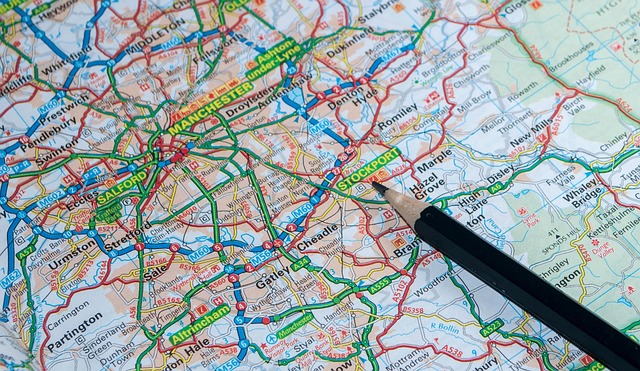
In a local move, the route is not just a line on a map. It shapes how long the job takes, where the vehicle can stop, how much lifting is needed, and whether your move stays on schedule. Around Woodside Green, the best route is often the one that avoids bottlenecks rather than the one that looks shortest.
That matters for a few reasons. First, removal vehicles need workable access. If a van cannot park close enough, every box becomes a longer carry. Second, timing can affect road availability. Even a quiet residential road can suddenly feel tight when school traffic, deliveries, bins, or neighbour parking all line up at once. Third, the way you approach the route can influence the safety of your belongings. Fewer sharp turns, less stop-start driving, and shorter handling distances all help.
For many movers, route planning is the difference between a straightforward day and a day filled with avoidable friction. That is especially true if you are moving fragile items, furniture, or anything that needs a careful hand. If you are also working out what type of move you need, the broader service pages on removal services in Woodford and local removals support are useful starting points.
How Moving Near Woodside Green? Best Local Route Tips Works
Local route planning is a mix of geography, timing, and logistics. You begin by identifying the property access points on both ends of the move, then work out the best driving approach for the vehicle you are using. For a small flat move, a man with a van service in Woodford may be enough. For larger homes or more complex access, you may need a bigger vehicle and a more deliberate loading plan.
In practical terms, the process usually looks like this:
- Check the departure and arrival streets for parking restrictions, one-way layouts, or loading limitations.
- Choose a route that reduces congestion risk rather than chasing the shortest distance.
- Match the van size to the street conditions and the amount of furniture being moved.
- Plan arrival times around local traffic patterns, school runs, and busy commuter periods where possible.
- Allow extra time for carrying items from the vehicle to the door if access is limited.
That may sound obvious, but many moves are still planned as if every street has perfect kerbside access. In reality, most of the hassle comes from the final 50 metres. A route that leaves you with a short, safe carry is usually worth more than a slightly faster drive.
If you are moving heavier or awkward pieces, route choice becomes even more important. A careful approach to loading and unloading can be supported by reading about safer solo lifting habits and smarter lifting techniques for tricky items.
Key Benefits and Practical Advantages
A good route plan is not just about convenience. It has direct practical benefits that affect the whole move.
| Benefit | What it means in practice | Why it matters near Woodside Green |
|---|---|---|
| Less wasted time | Fewer delays from traffic, parking searches, or awkward manoeuvres | Local streets can become congested quickly during peak periods |
| Reduced handling | Shorter carries between the van and the property | Helps protect furniture, flooring, and your back |
| Lower stress | A clearer schedule and fewer surprises on the day | Makes the move feel controlled rather than rushed |
| Better item protection | Less bouncing, fewer awkward lifts, fewer last-minute reshuffles | Important for beds, sofas, mirrors, and fragile boxes |
| Cleaner coordination | People know where to park, unload, and stand clear | Useful when neighbours, family, or students are helping out |
Another benefit is planning confidence. Once the route is sorted, everything else becomes easier to sequence: packing, van loading, arrival windows, and room-by-room placement. If the move also involves furniture storage or temporary placement, the guides on storage in Woodford and furniture removals in Woodford can help you make better decisions.
Who This Is For and When It Makes Sense
Route planning near Woodside Green is useful for almost anyone moving locally, but it is especially valuable in a few situations.
- Flat movers who need to work around stairs, tight entrances, or limited parking.
- Families moving larger furniture and multiple rooms at once.
- Students relocating with boxes, suitcases, and a small amount of furniture.
- Office movers who need to minimise disruption and stick to a timetable.
- Last-minute movers who need a practical same-day plan rather than a perfect one.
It also makes sense if you are moving something specialised, like a piano, a mattress, or a bulky sofa. These items can be moved locally, but they need better preparation and more careful route thinking. For example, a piano may require a different vehicle position, a wider access point, or additional handling support. If that applies to you, take a look at piano removals in Woodford and the more detailed article on moving a piano safely.
Truth be told, even a short move can become complicated if you ignore the route. A "local" move is only local on paper; in practice, the road layout and parking conditions decide the real workload.
Step-by-Step Guidance
If you want the move to go smoothly, use this simple sequence. It is practical, realistic, and far better than improvising on the day.
1. Map both addresses properly
Do not rely on a vague mental picture. Check the exact streets, entrances, and any possible vehicle access at both the old and new properties. Look for narrow turns, one-way sections, and anything that might make reversing difficult.
2. Decide where the vehicle will stop
The best route is only part of the story. You also need to decide where unloading will happen. A spot that looks close on the map may still be poor in practice if it blocks traffic or forces long carries. When possible, choose a place with enough space to open doors and safely move items.
3. Build the move around the time of day
Local traffic is rarely constant. Early morning, school times, lunch periods, and late afternoons can all change how long the journey takes. If you can choose your window, go for a calmer slot. A slightly later start can sometimes be better than an early one if it avoids congestion.
4. Pack in route order, not just room order
This is a detail many people miss. Boxes and furniture should be loaded so the first items out at the destination are easiest to reach. If the van is packed in a way that blocks access to the essentials, you will lose time and energy when you arrive. For a tighter plan, see packing more efficiently for a house move and the practical guide to packing materials and boxes in Woodford.
5. Protect heavy and awkward items first
Large furniture should be wrapped, secured, and loaded with the route in mind. A sofa that needs a long carry from a distant parking spot is more likely to be bumped or dragged. If you are moving a bed, mattress, or similar item, the advice on bed and mattress relocation is worth reviewing.
6. Keep a fallback route or plan B
Local roads can change quickly because of roadworks, parking pressure, or a blocked access point. Have an alternate approach ready. Even a simple reroute around one problematic street can save the day.
7. Leave breathing room
Always build in more time than you think you need. That extra margin is the difference between calmly handling a delay and watching the whole schedule unravel. Moves rarely benefit from optimism alone; they benefit from slack in the plan.
Expert Tips for Better Results
Here is where the move gets noticeably easier. These are the kinds of details that often separate a smooth local relocation from one that feels rushed.
- Use the closest sensible parking position, not the most convenient one on paper. Being ten metres closer is not useful if it blocks turning space or creates a ticket risk.
- Check for low branches, tight gates, and shared driveways. These small details matter more than most people expect.
- Keep one person focused on access, not just lifting. A good spotter prevents bottlenecks and helps guide furniture safely.
- Load essentials last if they need to come out first. Kettles, bedding, basic tools, and paperwork should be easy to reach.
- Use the move as a decluttering opportunity. Fewer items mean fewer route complications, fewer trips, and less lifting.
If you are deciding whether to move everything or keep some things aside, the article on decluttering before moving offers a sensible way to reduce volume without making the process emotional or messy. And if you want a calmer mindset throughout the process, this guide to reducing moving stress is a strong companion read.
A small but useful tip: if your move involves delicate or sentimental pieces, label the boxes on more than one side. You will thank yourself when everything is stacked in the van and the label you need is the one facing the wall. It happens more often than people admit.
Common Mistakes to Avoid
Most move-day issues are not dramatic. They are small oversights that pile up. Avoid these and you will already be ahead of the game.
- Assuming the shortest route is the best route. A slightly longer road can be faster if it avoids congestion and parking problems.
- Not checking loading restrictions. Some streets are fine to drive through but poor for stopping.
- Ignoring weather. Rain, wind, and icy paths affect both driving and carrying.
- Forgetting the destination layout. A route that ends at a property with poor access still creates a problem.
- Overestimating what one person can safely lift. Heavy items should not be "just managed" if they are awkward.
- Packing without a sequence. If you cannot reach essential items, the first hour at the new home becomes cluttered and frustrating.
If the move is sizeable, it may be worth comparing service options instead of trying to force a one-size-fits-all approach. For that, the pages on house removals, flat removals, and same-day removals can help you match the level of support to the job.
Tools, Resources and Recommendations
You do not need a complicated toolkit for a local move, but a few items make route-based moving much easier.
- Measuring tape for checking doorways, halls, and furniture clearances.
- Phone maps with live traffic enabled, so you can adapt if a road becomes slow.
- Labels and marker pens for quick identification of priority boxes.
- Blankets, straps, and wrap to protect furniture during loading and transit.
- Dolly or sack truck if you are moving a lot of boxes or heavier items.
- Basic toolkit for removing legs, shelves, or bed frames when needed.
For packing support, packing efficiency tips are especially useful if you have a lot of mixed items. If you are moving fragile, oversized, or high-value furniture, a dedicated removal van service or experienced removal company may be a better fit than trying to manage everything with a car and a few helpers.
Practical summary: the best local route is the one that gives you reliable access, a safe unloading point, and enough margin to handle real-world delays. Speed matters, but smooth access matters more.
Law, Compliance, Standards and Best Practice
Most local moves are straightforward, but there are still practical standards and legal duties to keep in mind. You should always respect parking restrictions, private access rules, and any local requirements that apply to loading or unloading. If a road has restrictions or a permit requirement, plan around them rather than hoping it will be fine on the day.
From a safety perspective, good moving practice means using suitable lifting techniques, not overloading individuals, and ensuring items are secured properly in transit. That is especially relevant for heavy furniture, appliances, and anything awkward to carry. If you are managing your own loading, the article on lifting safely when moving solo and the company's health and safety policy are sensible references.
Insurance is another part of best practice. Not every move has the same risk profile, and not every item deserves the same handling method. If you are moving something especially valuable, ask how it is protected and whether the move arrangement matches your expectations. The insurance and safety information page is a useful place to start if you want to understand how careful moving support should be framed.
You should also think about disposal and sustainability if the move is a good moment to reduce clutter. Reuse, donation, and responsible disposal are better than sending usable items to waste. For a broader view, the recycling and sustainability page gives a helpful sense of the practical side of that choice.
Options, Methods and Comparison Table
There is more than one way to handle a move near Woodside Green. The best method depends on volume, access, timing, and how much lifting you want to take on yourself.
| Method | Best for | Pros | Trade-offs |
|---|---|---|---|
| DIY with a car | Very small moves, a few bags or boxes | Low cost, flexible timing | Multiple trips, limited space, harder for furniture |
| Man and van | Single-room moves, flats, smaller households | Good balance of support and cost, quicker loading | May still need careful route planning and parking prep |
| Full removals service | Larger homes, heavy furniture, complex access | More handling support, better for time-sensitive moves | Typically more involved to arrange |
| Same-day removal support | Urgent relocations or short notice changes | Fast response, practical for unexpected moves | Availability can vary, route flexibility still matters |
If you are moving on a tight schedule or dealing with a short-notice handover, the page for same-day removals in Woodford may be more relevant than a general moving overview. And if your move includes office equipment or filing items, you may want to review office removals support instead of using a domestic-only plan.
Case Study or Real-World Example
Here is a realistic example. A couple moving from a first-floor flat near Woodside Green had a modest load: two wardrobes, a bed frame, a mattress, eight boxes, a sofa, and kitchen items. On paper, it looked like a short local move. The issue was access. The street outside the old flat had limited stopping space, and the new property sat on a road where parking could disappear quickly during the morning.
Instead of taking the fastest route, they planned for the easiest route: one that allowed the van to stop briefly on a side section, reduce the carry distance, and avoid a busy school-run window. They also packed by priority, so bedding, essentials, and tools were loaded last and came out first. The result was not magical. It was simply orderly.
What made the difference was not speed alone. It was route awareness, timing, and loading discipline. The sofa did not have to be squeezed through a difficult gap more than once, and the mattress arrived without the usual last-minute scramble to find a clean sheet. Small wins, but they add up fast on moving day.
If you have awkward furniture in your move, reading pre-move cleaning guidance and bed and mattress moving tips can make the overall process feel much more manageable.
Practical Checklist
Use this checklist a day or two before the move. It is simple, but it covers the parts people often forget.
- Confirm the full address and exact access point for both properties.
- Check parking options, loading zones, and any local restrictions.
- Choose a route that avoids likely congestion where possible.
- Measure larger items and key entry points.
- Wrap furniture and secure fragile items properly.
- Pack essentials separately for quick access on arrival.
- Plan who will guide the vehicle and who will handle loading.
- Have a backup route or alternative stopping point in mind.
- Keep water, chargers, and basic tools available.
- Review whether you need man and van support, a house move service, or a more specialised option.
If you want a calmer, more organised start-to-finish move, it is worth pairing this route plan with the advice in making your house move feel more manageable. That kind of preparation tends to pay off exactly when you need it.
Conclusion
Moving near Woodside Green becomes much easier when you treat the route as part of the moving plan, not an afterthought. The right local route reduces carrying distance, avoids unnecessary delays, and gives you a better chance of keeping furniture and fragile items safe. More importantly, it brings structure to the day.
Start with access, then timing, then loading order. Keep the plan realistic. Leave some slack. And if the move includes bulky furniture, a flat, or short-notice timing, choose the level of support that matches the job rather than trying to force everything into a DIY-shaped box.
If you are ready to take the next step, explore the service pages, compare options, and build a moving plan that suits your property, your schedule, and your stress tolerance. A well-planned local move should feel controlled, not chaotic.
Get a free quote today and see how much you can save.