Parking Suspensions for Woodside Moves: Council Permit Tips
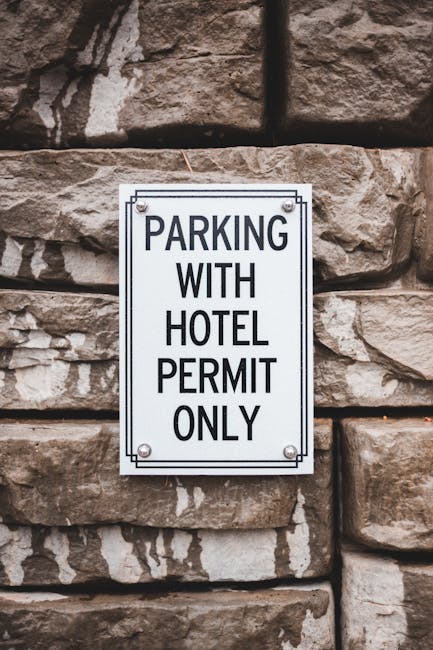
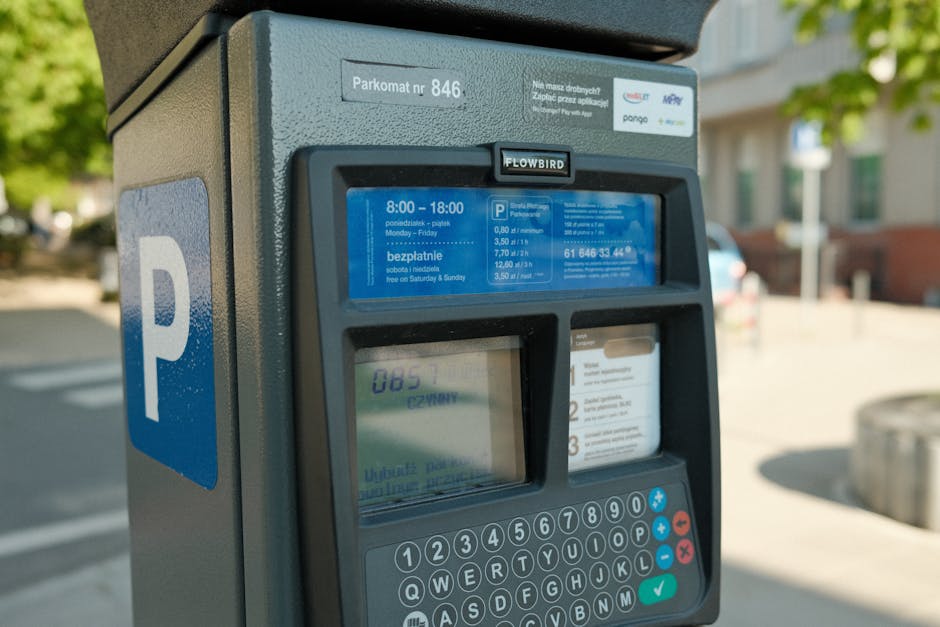
If you are planning a move in Woodside, parking can become the bit that quietly unravels everything. The van arrives, boxes are stacked, someone is hunting for the keys, and suddenly there is nowhere legal to stop. That is where Parking Suspensions for Woodside Moves: Council Permit Tips come in. Done properly, they help you secure space for the removal vehicle, reduce delays, and avoid awkward last-minute parking chaos. Done badly, they can mean stress, extra costs, or a move that feels far longer than it should.
This guide breaks the process down in plain English. You will learn when a suspension makes sense, how it differs from a permit or dispensation, what details councils usually need, and the practical checks that stop avoidable mistakes. We will also cover planning tips for flats, narrow streets, and awkward access, because let's face it, Woodside moves are often a little more "tight and fiddly" than the brochure makes them sound.
Table of Contents
- Why parking suspensions matter for Woodside moves
- How the process works
- Key benefits and practical advantages
- Who needs this and when it makes sense
- Step-by-step guidance
- Expert tips for better results
- Common mistakes to avoid
- Tools, resources and recommendations
- Law, compliance, standards, or best practice
- Options and comparison
- Case study or real-world example
- Practical checklist
- Conclusion
- Frequently asked questions
Why Parking Suspensions for Woodside Moves: Council Permit Tips Matters
Parking is not just a convenience on moving day; it affects timing, safety, and cost. If the removal van cannot stop close to the property, loading takes longer. If the vehicle blocks a road or sits in a bay it should not use, you may face enforcement action. And if your building has a narrow entrance or a busy street outside, every extra metre of carrying makes the job harder.
For Woodside moves, this matters even more because local streets and shared access points can be tight. A properly arranged suspension can reserve the right space, giving the crew room to work and the move a calmer rhythm. In practical terms, that often means fewer walks back and forth, less lifting, and fewer moments where everyone stands around trying to work out where the van should go.
One thing people often overlook is timing. Councils usually need notice, and the lead-in can vary. If you leave it too late, the space you wanted may already be unavailable, or a formal suspension may not be processed in time. That is why council permit tips are not just admin. They are part of move planning, just as important as packing tape or mattress covers.
If you are already organising heavy furniture or specialist items, it helps to think ahead across the whole move. Practical guides such as packing essentials for a smooth and organised house move and staircase access solutions for Woodside flats show how access planning and packing planning fit together. They really do. The best moves are rarely the ones where you improvise on the day.
How Parking Suspensions for Woodside Moves: Council Permit Tips Works
Although exact procedures differ by council, the basic idea is simple. A parking suspension temporarily removes normal parking rights from a bay or section of road so that a specific activity can take place. In a removals context, that usually means reserving space for a van, container, skip, or loading area.
In practice, you may be dealing with one of several arrangements:
- Parking suspension: a council temporarily stops normal parking in a bay or street area.
- Parking permit or dispensation: a permission to park in a restricted location for a limited purpose.
- Loading-only arrangement: a short-term allowance for active loading and unloading.
Which one is suitable depends on the street, the length of the move, local restrictions, and whether the van needs to remain in place for a while. A quick handover in a quiet road may need less formal planning than a full house move from a flat on a busy stretch. But if the van must hold a space for hours, a suspension is often the cleaner solution.
Most councils will want details such as the date, times, exact location, vehicle type, and the reason for the request. They may also need proof of the move or supporting information from the person arranging the job. To be fair, it can feel like a lot of boxes to tick. But once you know the rhythm, it becomes manageable.
Think of it as protecting the move from avoidable friction. The paperwork creates certainty. And certainty is valuable when you are already juggling keys, furniture, and the mild panic that comes with realising the kettle is packed somewhere in box 17.
Key Benefits and Practical Advantages
There are several good reasons to arrange parking properly rather than hoping for the best.
- Shorter loading times: the crew can park close to the entrance, which keeps the move moving.
- Less manual carrying: fewer steps usually means lower physical strain and lower risk of damage.
- Better traffic flow: a controlled parking arrangement reduces the chance of blocking neighbours or passing vehicles.
- Lower stress: a reserved or approved space removes one of the biggest day-of uncertainties.
- More predictable scheduling: everyone can work to a realistic start time instead of circling the block.
There is also a subtle but real benefit for the property itself. If the removal team can park sensibly and work from the nearest point, there is usually less chance of scraping walls, bumping door frames, or dragging heavy items along awkward routes. That is especially useful when dealing with bulky pieces, mirrored wardrobes, or delicate furniture. For those items, it can be worth reading guidance on lifting heavy objects safely and how to safely move your bed and mattress before move day.
Another advantage is goodwill. Neighbours are far more relaxed when a van is clearly allowed to stop where it is parked, and not causing a guessing game on the pavement. Small thing, yes. But in a shared street, that matters.
Expert summary: If your move involves a van that needs a clear bay, a narrow street, or a fixed loading window, parking planning is not optional fluff. It is part of the move itself.
Who This Is For and When It Makes Sense
Parking suspensions are not needed for every move. A small flat with a quick carry from a legal loading area may be fine without one. But there are clear situations where it makes sense.
- Moves from top-floor flats with limited roadside space
- Homes on narrow residential streets where parking fills up quickly
- Jobs with larger vans or multiple vehicles
- Moves that need several hours of loading and unloading
- Properties with awkward access, long carry distances, or shared entrances
- Office moves where time, access, and vehicle access all matter at once
It also makes sense when you are planning a same-day or urgent move and want to remove as many unknowns as possible. In those cases, parking is one of the first issues to settle, not the last. If your move is time-sensitive, you may also find this guide to urgent same-day removals in Woodside useful, because tight timing and access planning often go hand in hand.
Students moving into or out of flats should pay attention too. Student moves often happen at the same end-of-term times, and parking can be busier than expected. A well-planned arrangement can prevent a nice, tidy move from turning into a long queue of waiting and carrying. Not ideal at all.
Step-by-Step Guidance
Here is a practical way to approach council parking arrangements without getting lost in admin.
1. Check the street and the access points
Start with the property itself. Look at the width of the road, nearby bays, yellow lines, and any restrictions that already exist. Note whether the van would need to park opposite the property, beside it, or further down the street. If there are stairwells, shared entrances, or tight turns, add those to your plan now.
2. Work out how long the vehicle will need
Do not guess. Estimate honestly. Consider the number of rooms, the amount of furniture, whether large items are involved, and whether packing is finished before the van arrives. A quick studio move may need far less time than a full family house with a heavy sofa, freezer, or piano. For the larger items, useful background reading includes the challenges of moving a piano yourself and smart ways to store your freezer when it is not in use.
3. Identify whether you need a suspension, permit, or loading dispensation
Use the simplest arrangement that genuinely fits the move. A full parking suspension is not always necessary, and councils may have different rules for different street types. If you only need a short loading window, a lighter-touch arrangement may be enough. If the van must stay put for longer, a more formal suspension may be better.
4. Gather the information the council is likely to ask for
- Move date and time
- Full property address
- Exact bay or street location
- Vehicle registration, if required
- Vehicle type and size
- Reason for the request
- Any supporting notes about access or loading constraints
5. Apply with enough lead time
This is the part people tend to underestimate. Councils often need notice, and busy periods can stretch processing times. Apply early enough that you are not relying on luck. If the move is complicated, leave a buffer so you have time to amend the request if the council asks for extra detail.
6. Confirm the final arrangement in writing
Before moving day, check that you know exactly what has been approved, for what times, and in what location. Make sure the driver, the move coordinator, and the person at the property all understand the arrangement. Miscommunication at this stage is annoyingly common, and also very preventable.
7. Prepare the property for the reserved space
Tell neighbours if appropriate, keep the entrance clear, and make sure boxes are ready to move. A well-packed home makes the parking arrangement work harder for you. If you want a sensible prep routine, decluttering wisely before the move and using packing and boxes support in Woodside can reduce the amount of time the vehicle needs on the day.
Expert Tips for Better Results
After enough moves, a few patterns become obvious. These little habits save more time than any clever trick.
- Build in a loading buffer. If you think you need two hours, plan for a little more. Moving rarely runs on the clock you hoped for.
- Match the vehicle to the access. A smaller van may be easier to place close to the entrance than a larger one. That can matter more than people expect.
- Keep the route from the property to the van clean and clear. No loose rugs, bins, bikes, or random boxes in the way.
- Label fragile or awkward items early. It reduces handling confusion when the pressure is on.
- Think about the whole journey, not just the bay. Parking is one part of access. Hallways, stairs, and door widths matter just as much.
If you are moving furniture-heavy rooms, it can also help to review secure long-term storage for sofas and furniture handling advice before deciding what is going on the van first. A move is often smoother when the heaviest or most awkward items are planned in advance rather than left to the last five minutes.
One more thing, and this sounds basic but matters hugely: keep someone available at the property who can answer questions quickly. If the driver is waiting for a bay decision or a key handover, minutes disappear fast. Funny how that happens. You turn around and half an hour is gone.
Common Mistakes to Avoid
Most parking problems on moving day are surprisingly ordinary. The good news is that ordinary mistakes are easy to avoid once you know what to look for.
- Leaving the application too late: councils need time, and time is the one thing movers never seem to have enough of.
- Assuming a loading bay is always enough: loading bays can be subject to time limits or restrictions.
- Forgetting about the actual vehicle size: a standard parking space is not the same thing as a workable loading spot.
- Not checking if there are restrictions nearby: bus stops, yellow lines, dropped kerbs, and resident-only bays can all affect the plan.
- Failing to coordinate with the removals team: if the driver is not briefed, the arrangement may not be used correctly.
- Ignoring access bottlenecks inside the property: parking close to the door helps, but it will not solve a narrow staircase or awkward landing by itself.
Another mistake is assuming a parking suspension is only for very large moves. Not true. A modest move in a crowded street can benefit just as much, sometimes more. A two-person flat move with one awkward bay outside can be more stressful than a larger house move in a generous cul-de-sac. Context matters.
And please, do not forget the boring bits like cancellation rules or payment terms. If something changes, you need to know what happens next. That is where checking the company's terms and conditions and payment and security information can be useful, even if it is not the exciting part of the planning.
Tools, Resources and Recommendations
You do not need a drawer full of specialist tools to manage parking for a move, but a few simple resources help a lot.
- Notebook or move planner: keep the time, location, and contact details in one place.
- Phone photos: take pictures of the street layout, signs, and the entrance area. They are useful when explaining access.
- Basic checklist: track what has been packed, what needs loading first, and what the vehicle needs to collect.
- Vehicle details: know the van size, registration, and any special requirements before applying.
- Neighbour awareness: a short note or friendly heads-up can avoid annoyance later.
Some moves benefit from specialist planning pages too. If you are comparing move types, the information on removal services in Woodside, removals in Woodside, and man with a van in Woodside can help you decide what level of support you need. For bigger jobs, house removals, flat removals, or even office removals may be a better fit depending on the load and timing.
If you are still deciding how much help to book, the services overview and pricing and quotes pages are sensible next stops. They help you match the parking plan to the actual move rather than the move you hope you have. Different thing entirely.
Law, Compliance, Standards, or Best Practice
Parking suspensions and permits sit within local authority control, so the exact rules depend on the council responsible for the road. That means the safest approach is to treat council guidance as the final word for the street in question. Do not assume the rules in one borough apply neatly to another.
From a best-practice point of view, a compliant move arrangement should be:
- Requested in advance rather than improvised on the day
- Based on accurate vehicle and location details
- Used only for the approved purpose and time window
- Communicated clearly to everyone involved
- Kept consistent with road safety and access needs
It is also worth remembering that street parking rules can interact with access requirements for residents, businesses, and emergency vehicles. If a space needs to be reserved, the arrangement should be respectful of the wider street and not create avoidable obstruction. Good practice is not just about avoiding fines; it is about keeping the move orderly and fair.
For teams handling furniture, equipment, or delicate items, business standards around safety and handling also matter. You can see how a responsible operator approaches this through pages such as health and safety policy and insurance and safety. That sort of structure matters when the van is parked, the pavement is busy, and everyone is lifting something heavier than it looks.
Options, Methods, or Comparison Table
Not every move needs the same parking solution. Here is a simple comparison to help you choose the right approach.
| Option | Best for | Strengths | Limitations |
|---|---|---|---|
| Parking suspension | Longer moves, tight streets, reserved access needs | Clear space, more certainty, less congestion | Requires advance planning and council approval |
| Parking permit or dispensation | Shorter loading periods or specific restricted areas | Flexible for limited jobs | May not allow the vehicle to stay in place for long |
| Informal roadside loading | Very short, low-risk moves with good access | Fast and simple if legal and practical | Can fail if space disappears or restrictions apply |
A useful rule of thumb: if the van must be parked very close to the property for a meaningful amount of time, a formal arrangement is usually safer than hoping to find a gap. If the job is brief and the street is forgiving, a lighter option may do the trick. It depends on the day, the road, and frankly, how much furniture is involved.
Case Study or Real-World Example
Picture a typical Woodside flat move on a weekday morning. The property is on a residential street with limited curb space, a narrow entrance, and a standard two-person crew. The client has packed the small items well, but the sofa, bed frame, and a few awkward boxes still need careful handling. Without a reserved place to stop, the van would likely end up several doors away.
That extra distance sounds minor until you are carrying a mattress through a chilly corridor while a neighbour is trying to reverse out, and someone else is returning a supermarket trolley to the front path. The whole job slows down. People get frustrated. The time slot starts slipping.
In a better-planned version of the same move, the bay is checked in advance, the parking arrangement is confirmed, and the crew parks as close as possible to the entrance. The loading sequence is organised before arrival. Heavy items go first. Fragile boxes are handled after. The move feels calmer, and the day finishes earlier than expected. Not perfect, because moves never are, but noticeably smoother.
That is the real value of a parking suspension or permit: not magic, just fewer friction points. Sometimes that is all you need.
Practical Checklist
Use this checklist a few days before the move.
- Confirm the move date and start time
- Measure access outside the property and note any restrictions
- Decide whether you need a suspension, permit, or loading allowance
- Gather the exact address and bay or street details
- Check the vehicle type and size
- Apply with enough notice
- Save written confirmation somewhere easy to find
- Tell the driver and the property contact the approved arrangement
- Keep the entrance and route clear on the day
- Prepare bulky items first, especially sofas, beds, or appliances
- Review route details if the move passes through tight local streets
- Have a backup plan if the approved space is unexpectedly blocked
If your move also involves decluttering, storage, or a particularly tricky route, related reading such as making your house move a calming adventure, storage in Woodside, and removals around the Woodside tram stop can help you think through the bigger picture. A good move is usually a series of small, sensible decisions.
Quick takeaway: book the space, confirm the time, keep the route clear, and do not leave parking as an afterthought. That one habit saves a lot of grief.
Conclusion
Parking suspensions for Woodside moves are not just a technical detail. They are one of the simplest ways to make a move safer, faster, and less chaotic. If you understand the council process, check the street properly, and leave enough time for approval, you put yourself in a much stronger position on moving day.
The best advice is also the simplest: plan access early, keep the paperwork tidy, and make sure the removals team knows exactly what has been arranged. Do that, and the move will usually feel more manageable than you feared. Maybe even calm. Stranger things have happened.
If you are still comparing options or want support with a move that involves flats, heavy furniture, or a tight local street, it is worth getting the details sorted early rather than hoping the parking gods are in a generous mood.
Get a free quote today and see how much you can save.
Frequently Asked Questions
What is a parking suspension for a house move?
A parking suspension is a temporary arrangement that removes normal parking rights from a specific bay or part of the road so a move can take place. It is often used when a van needs to stop close to the property for loading or unloading.
Do I always need a council permit for a Woodside move?
No, not always. Smaller or shorter moves may work with normal legal parking or a lighter loading arrangement. But if the van needs to stay in place for a while, or the street is busy, a permit or suspension is often the safer choice.
How far in advance should I arrange parking?
As early as you can. Councils need notice, and busy periods can slow things down. If your move is fixed, do the parking planning before packing the final boxes, not the night before.
What details do councils usually ask for?
They commonly ask for the move date, time, exact address, bay or street location, vehicle details, and the reason for the request. Some councils may ask for extra information depending on the street and the type of restriction.
Is a parking suspension better than a permit?
It depends on the move. A suspension is usually better when you need reserved space for a longer period. A permit or dispensation may be enough for short loading jobs. The right option is the one that matches the access problem, not the one that sounds neatest.
What happens if someone parks in the suspended space anyway?
That is one reason to confirm the arrangement clearly and display any required notice correctly. If the space is taken, the move may be delayed. In some cases, you may need to contact the council or adjust the plan on the day.
Can parking restrictions affect flats more than houses?
Yes, often they can. Flats frequently have shared entrances, narrow access, or limited roadside space. That means parking close to the property is more valuable and often more difficult to secure.
Are parking suspensions useful for office removals too?
Absolutely. Office moves often involve more equipment, stricter time windows, and a higher need for predictable access. For that reason, parking planning can be just as important for offices as for homes.
What if my move is urgent or same-day?
Then you should focus on the quickest practical option and check what the council can still process in time. Same-day moves are more vulnerable to access problems, so clear communication and a backup plan matter a lot.
Should I tell my removals team about the parking arrangement?
Yes, always. The driver and the move team need to know what has been approved, where they can stop, and for how long. If everyone is working from the same information, the day runs much more smoothly.
Can parking planning help reduce moving costs?
Indirectly, yes. A close, legal parking position can reduce loading time and the amount of carrying needed. That can make the job more efficient and help avoid delays that might otherwise increase labour time.
What is the biggest mistake people make with move parking?
Leaving it too late. That is the classic one. People sort out boxes, cleaners, keys, and paperwork, then hope parking will somehow sort itself out. It usually does not. Planning the space early is a much safer bet.