Health and Safety Policy for Man With Van Woodside
 This Health and Safety policy sets out the standards followed by Man With Van Woodside to protect customers, staff, contractors, and members of the public during every moving and transport job. Our approach is based on prevention, careful planning, and clear responsibility. We aim to reduce risks by keeping vehicles, equipment, and working methods in safe condition at all times.
We recognise that removal work can involve lifting, loading, securing items, and moving through tight spaces. For that reason, safe working practices are built into every stage of the service. Whether the task involves a small household move or the transport of a few heavy items, our team is expected to work with attention, patience, and control.
All personnel must follow this policy and apply common sense alongside formal procedures. The goal is to prevent injury, property damage, and avoidable delays. This policy is reviewed regularly and updated when work methods, equipment, or risk levels change.
Our Health and Safety Commitment
We are committed to maintaining a safe environment for all moving operations. Every member of the team has a duty to act responsibly, report hazards promptly, and stop work if conditions become unsafe. The company also expects customers and anyone present at the property to cooperate with reasonable safety instructions during the move.
All work is planned to reduce manual handling risks, slips, trips, and damage caused by poor stacking or insecure loads. Vehicles are checked before use, and lifting aids are used where appropriate. In addition, Man With Van Woodside encourages steady working methods rather than rushed activity, because safe results depend on control and awareness.
 We do not tolerate unsafe conduct, impaired work, or any behaviour that could place others at risk. If a job becomes more complex than expected, the team may pause the activity and reassess the method before continuing. This may include changing the lifting plan, using extra help, or rearranging the load.
Responsibilities and Safe Working Practices
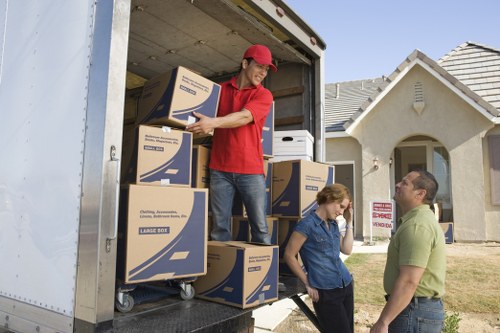 Every worker is expected to wear suitable clothing and use appropriate personal protective equipment when required. Footwear should provide grip and support, and gloves may be used for handling awkward or sharp items. Where visibility is reduced or weather conditions are poor, additional caution must be taken around entrances, driveways, and vehicle access points.
Manual handling is one of the main risk areas in any van-based moving service. Team members must assess the size, weight, shape, and stability of items before lifting them. When possible, items should be reduced in weight, carried by two people, or moved with equipment such as straps, dollies, or blankets. Safe lifting technique and teamwork are essential to protecting backs, shoulders, and hands.
Loads must be arranged carefully inside the vehicle so that they do not shift in transit. Heavy items should be positioned low and secured against movement. Fragile goods should be protected from impact, and any item that could pose a hazard if it moves must be restrained properly. A secure load is a key part of every van moving safety policy.
Vehicle, Equipment, and Site Safety
Vehicles are maintained in a roadworthy condition and inspected before each working day. Tyres, lights, mirrors, fuel levels, and load-restraint equipment must all be checked. Any defect that could affect safety must be reported and corrected before the vehicle is used again. Clean and tidy vehicles help reduce hazards during loading and unloading.
Equipment used for moving must be suitable for the task and handled correctly. Blankets, straps, ramps, trolleys, and protective covers should be stored neatly and used only when in good condition. Damaged equipment is not to be used. If a job requires access to stairs, narrow corridors, or awkward parking arrangements, the team must take extra care and choose the safest route available.
 The working area should be kept as clear as possible. Boxes, wrapping materials, and loose items should not block exits or create trip hazards. Woodside van removal health and safety practice also includes awareness of weather, traffic, and public access. Wet surfaces, poor lighting, and nearby pedestrians can increase risk, so work must be adjusted accordingly.
Incident Reporting and Emergency Action
If an accident, injury, near miss, or property incident occurs, it must be reported immediately. The team should first make the area safe, provide basic assistance if appropriate, and call emergency services when needed. No one should continue work if doing so could worsen the situation or place others in danger.
Any damaged item, vehicle fault, or unsafe condition discovered during a move must be recorded and reviewed. This helps identify patterns and improve future working methods. Health and safety for Man With Van Woodside depends on honest reporting and a willingness to learn from incidents, even when no one is harmed.
 Training and supervision are used to make sure safety standards are understood and applied consistently. Staff are expected to stay alert, ask for help when needed, and follow instructions carefully. By maintaining these standards, Man With Van Woodside provides a reliable, careful, and responsible service that places the wellbeing of everyone involved first.