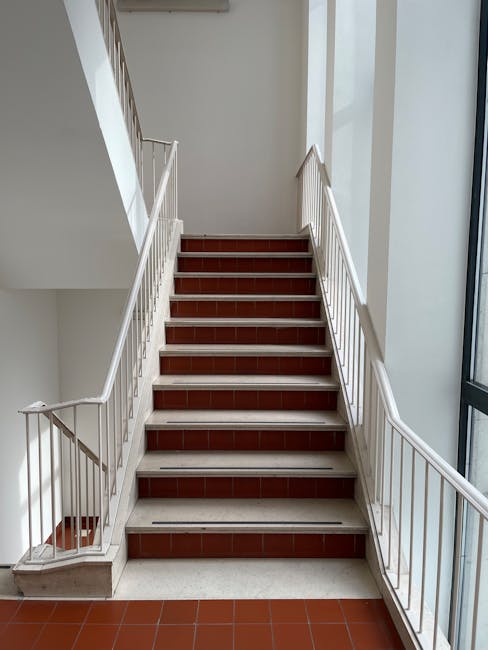
Staircase Access Issues in Woodside Flats: Safe Solutions
Posted on 18/06/2026
Staircase access problems can turn a simple flat move into a stressful little ordeal. One minute you're carrying a box, the next you're staring at a tight turn, a narrow landing, or a stairwell that feels just a bit too awkward for comfort. If you're dealing with staircase access issues in Woodside Flats, you are not alone. It's one of the most common reasons removals slow down, get riskier, or need a last-minute rethink.
This guide explains the safe solutions that actually help: how to assess the staircase, what to move first, when to break items down, and how to decide whether you need extra help. We'll keep it practical, human, and focused on what works in real homes, not in a perfect showroom. And yes, a badly placed corner can make even the neatest sofa behave like it has a personal grudge.
For anyone planning a flat move, a student relocation, or a furniture-heavy move, the goal is simple: protect people, protect property, and get everything through the building without drama.
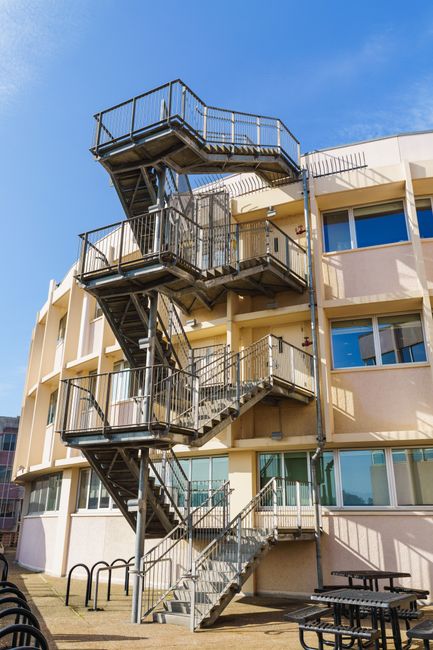
Why Staircase Access Issues in Woodside Flats: Safe Solutions Matters
Staircases are a bottleneck. That sounds obvious, but in moving terms it means one awkward passage can affect the whole day. A narrow staircase, a tight bend, low head clearance, a fragile banister, or a shared hallway with little room to stage items can all create a chain reaction. Delays start. Lifting gets awkward. The risk of chips, scuffs, back strain, or a dropped item goes up fast.
In Woodside flats, this matters even more because many moves involve compact layouts, older stairwells, and buildings where access is shared with neighbours. You may only get one clear run from van to front door, then a short but tricky climb to the landing. That's enough to make careful planning worthwhile.
Safe solutions matter for three reasons. First, they reduce injury risk. Second, they protect furniture, walls, floors, and stair rails from avoidable damage. Third, they help keep the move calm enough that people can actually think. That last one gets overlooked. A stressed team makes rushed decisions, and rushed decisions are how corners get clipped, box lids burst, and patience disappears at 10:15 in the morning.
If you're preparing a flat move, it also helps to read around the wider moving process. Articles like packing essentials for a smooth and organised house move and decluttering wisely before you move fit neatly with staircase planning, because the less you carry, the less likely you are to get stuck halfway up a tight staircase.
How Staircase Access Issues in Woodside Flats: Safe Solutions Works
The safest approach is usually not one big trick. It's a sequence of small decisions that reduce pressure before the moving day starts. In practice, you look at the staircase, measure the awkward bits, identify the heaviest items, and choose the right method for each piece.
Here's the basic logic:
- Assess the access route from the van to the flat door, then from the door to each room.
- Identify constraints such as tight turns, steep steps, low ceilings, and awkward door swings.
- Match the item to the route so that bulky furniture is not forced through a path it simply will not fit.
- Use the right equipment such as lifting straps, gloves, blankets, and trolleys where suitable.
- Reduce the load by dismantling furniture or moving items in smaller, safer sections.
- Assign roles clearly so everyone knows who leads, who spots, and who handles the tail end of the item.
Truth be told, most access issues are made worse by uncertainty. People see a staircase, think "we'll manage," and then realise the sofa has no interest in obeying. A safer solution is to test the route properly before lifting anything. That means measuring the width of the narrowest point, checking the staircase corner angle, and thinking about how the item will rotate. A mattress is forgiving; a wardrobe is not.
When an item is especially awkward, it helps to think in terms of movement geometry. That's where the principles behind kinetic lifting and controlled movement become useful: move with the body's natural flow, keep the load close, and avoid sudden twisting. Simple idea, very practical result.
Key Benefits and Practical Advantages
Choosing safe staircase solutions is not just about avoiding accidents. It changes the whole tone of the move. You get fewer stoppages, less shouting up and down stairs, and far fewer moments where everyone freezes because something feels a bit too close to the wall.
Key benefits include:
- Lower risk of injury from overreaching, twisting, or carrying too much weight on a staircase.
- Better protection for furniture such as sofas, beds, cabinets, mirrors, and appliances.
- Less damage to the building, especially paintwork, corners, bannisters, and tiled stair edges.
- Smoother time planning because awkward items are handled in the right order.
- Less stress for neighbours in shared hallways and common areas.
- More predictable costs if you avoid rushed repairs or emergency changes on the day.
There's also a confidence benefit. If you know a sofa can be split, wrapped, and turned on a stair landing without damaging the wall, the entire move feels more manageable. That confidence is worth something. It keeps people calm enough to do the next thing properly.
For bulky furniture, it can help to plan around specialist help in advance. A service focused on furniture removals in Woodside or broader removal services in Woodside may be a better fit than trying to muscle everything through a stairwell at the last minute.
Who This Is For and When It Makes Sense
This kind of planning is useful for more people than you might expect. It is not just for large house moves or big families with bulky furniture. Staircase access concerns show up in all sorts of everyday situations.
It makes sense if you are:
- Moving into or out of a first-floor or second-floor flat
- Handling large furniture in a narrow stairwell
- Transporting awkward items like pianos, beds, or corner sofas
- Moving with limited time and a tight building schedule
- Helping a student or tenant move from a compact flat
- Dealing with shared hallways, communal entrances, or older buildings
This also applies if you are only moving one or two heavy items. One item is sometimes enough to cause trouble. A mattress is light enough in theory, but on a turning stair landing it can become an unwieldy sail. A piano is a different category entirely, and anyone considering that job should take it seriously. The practical realities are well covered in understanding the challenges of moving a piano yourself.
If you're a student, the pressure is often about timing more than volume. Moves need to fit around term dates, flatmates, and transport. That is where student removals in Woodside can be especially useful, because the logistics are often as important as the lifting.
Step-by-Step Guidance
Below is a straightforward way to tackle staircase access issues without making the day more difficult than it needs to be.
- Survey the route early. Walk from the parking spot or van bay to the flat and measure the tightest staircase points, including turns and landings.
- List the awkward items. Put the largest, heaviest, most brittle, and most expensive items at the top of your list.
- Decide what should be dismantled. Beds, tables, wardrobes, and some sofas are far easier to move in parts.
- Prepare protection. Use blankets, shrink wrap, tape where appropriate, and floor protection for hallways and stairs.
- Set the order of loading and unloading. The items easiest to move through the stairwell should not be blocked by the ones that need the most space.
- Use a spotter. One person guides the turn and checks for contact with walls or railings.
- Lift with the item, not against it. Keep the load close and move slowly around bends.
- Take pauses at landings. Short rests reduce fatigue and poor handling. Don't be heroic; heroic is overrated on stairs.
- Reassess if something feels wrong. If an item starts scraping, tilting, or becoming unsafe, stop and re-plan.
For mattresses and bed frames, a little prep goes a long way. Folding, removing slats, and keeping fixings in a labelled bag can save a lot of faff later. If you want a detailed practical guide, this advice on moving a bed and mattress safely is a useful companion piece.
And if your move has a lot of boxed items, it's worth making sure the boxes are balanced and clearly marked. Good packing prevents the kind of overloaded box that suddenly gives up halfway up the stairs. For that, see packing and boxes in Woodside.
Expert Tips for Better Results
Experienced movers tend to make staircase work look calm, almost boring. That's the goal, really. The tricks are not flashy, just reliable.
- Measure twice, move once. A few minutes with a tape measure saves a lot of guesswork.
- Protect corners first. Stair edges and wall corners are the first things to suffer in a tight pass.
- Move the heaviest item early. Fatigue makes later lifts riskier, so tackle the hardest pieces while everyone is fresh.
- Keep stairs clear. No loose wrapping, no open boxes on landings, no shoes where people will step.
- Communicate before every turn. A simple "ready, lift, turn" is better than mid-air improvisation.
- Use the right footwear. A solid grip matters. Slippery soles on a stairwell are not your friend.
One useful observation from real moves: people often overestimate what they can carry and underestimate how much a staircase changes the game. A piece that feels manageable on flat ground can become awkward after just three steps. That's normal. It's not a failure, it's physics.
If your staircase is especially awkward, a safer method may be to reduce the item size first or split the move into two trips. That can feel slower in the moment, but it usually wins overall.

Common Mistakes to Avoid
The biggest mistakes tend to come from impatience. Everyone wants the move over with, but stairs reward patience. They really do.
- Forcing oversized furniture through a route that is obviously too tight. If it has to bend too much, it probably needs dismantling.
- Carrying too much weight with too few people. A "we'll manage" lift can turn risky very quickly.
- Ignoring the turning radius. The issue is often not the staircase width itself, but the corner.
- Skipping wall and floor protection. One careless scrape can leave a visible mark in seconds.
- Not checking ceiling height on the stairs. Tall items can snag overhead when rotated.
- Leaving disassembled parts unlabelled. You do not want to spend Saturday evening hunting for the correct bolt.
- Using unsafe lifting posture. Twisting while carrying is a classic cause of strain.
There's also a timing mistake: trying to move everything while neighbours are rushing in and out, or when the stairs are busy with deliveries. If possible, pick a quieter window. You'll notice the difference straight away.
If waste or old furniture needs removing before the move, it helps to sort that out first so you are not squeezing junk and replacement furniture through the same narrow passage. A practical read on that is bulky waste pickup in Woodside and avoiding common fees.
Tools, Resources and Recommendations
You do not need a van full of specialist kit to solve staircase access issues, but the right few items make a big difference.
- Measuring tape for stair width, item dimensions, and landing clearances
- Furniture blankets to protect corners and softer finishes
- Stretch wrap or protective wrap for drawers, doors, and upholstery
- Work gloves for grip and hand protection
- Straps or lifting aids where suitable and used correctly
- Tape and labels for screws, fittings, and dismantled parts
- Floor covers for communal hallways and stair treads
For practical moving preparation, the wider site has a few genuinely useful pages. services overview is a good starting point if you want to understand the broader options, while removals in Woodside helps if you're looking at a full move rather than a single awkward item.
If you need a smaller vehicle for a compact street or tight parking setup, a removal van in Woodside may be more practical than a larger truck. And for those planning a move with a bit more flexibility, man and van Woodside can be a sensible middle ground.
For readers who prefer to plan well ahead, making your house move a calming adventure pairs nicely with this topic, because the best staircase strategy is usually the one designed before the stress kicks in.
Law, Compliance, Standards, or Best Practice
When staircase access is involved, the main concerns are safety, property care, and responsible handling. In the UK, employers and contractors are expected to manage manual handling risks sensibly and to avoid forcing people into unsafe lifts. That may sound formal, but in everyday terms it means no one should be asked to carry a load that is clearly too heavy, too awkward, or too unstable for the route.
Best practice generally includes:
- Reducing loads where possible
- Using enough people for the item and the route
- Keeping shared access areas free from obstruction
- Protecting common areas from avoidable damage
- Checking access restrictions in advance where a building or managing agent has them
If you are arranging a move through a managed building, it is sensible to follow any access rules, lift booking arrangements, or time windows set by the property manager. Not every building does things the same way, and a small heads-up can prevent a lot of friction. To be fair, a five-minute check-in is often cheaper than a repair bill or a complaint.
It is also worth choosing a mover that treats safety, insurance, and complaints handling seriously. Pages such as health and safety policy, insurance and safety, and complaints procedure are helpful signals when you're deciding who to trust with a difficult access job.
Options, Methods, or Comparison Table
Not every staircase access issue needs the same solution. The right choice depends on the item, the staircase, and the amount of time you have. Here's a simple comparison to help you think it through.
| Method | Best for | Pros | Limitations |
|---|---|---|---|
| Dismantling items | Beds, wardrobes, tables, some sofas | Easier turning, less strain, lower damage risk | Needs time, labels, and reassembly care |
| Two-person carry | Medium furniture and boxed items | Simple, flexible, economical | Not ideal for very heavy or awkward loads |
| Professional removal support | Tight stairwells, fragile items, full flat moves | Better handling, better planning, less risk | Requires booking and budget planning |
| Storage first, move later | When access is limited by timing or space | Reduces pressure on moving day | Extra step and possible storage cost |
Sometimes the best answer is not "which method is strongest?" but "which method keeps the staircase calm?" That small question changes a lot. If you need more room between move-out and move-in dates, storage in Woodside can reduce pressure and let you move at a safer pace.
And if your move is tied to a new tenancy or a time-sensitive handover, planning around same day removals in Woodside may be relevant, though only if the access route has been checked carefully first.
Case Study or Real-World Example
A typical example: a tenant moving out of a second-floor flat with a tight staircase and a turn halfway up. The biggest item was a three-seat sofa, which looked fine in the living room but became awkward the moment it reached the stair bend. The first attempt stalled because the sofa caught on the wall corner. Nothing dramatic, just a very stubborn piece of furniture and a lot of awkward silence.
Instead of forcing it, the team stepped back and changed the plan. They removed the sofa's feet, wrapped the arms, protected the wall corner, and brought in a second helper to guide the turn. The load was kept upright at the best angle for the landing, and they moved slowly one step at a time. The second attempt worked cleanly.
What made the difference was not strength. It was route planning, patience, and the decision not to push through a bad angle. That's the whole point with staircase access issues. The safest fix is often the least dramatic one.
Another common situation is a bed frame, mattress, and chest of drawers move in a compact flat. If the frame is dismantled first, the mattress is carried separately, and the drawers are emptied, the staircase stops feeling like an obstacle course. That is why simple preparation often beats last-minute muscle.
Practical Checklist
Use this checklist before moving day or before handling any bulky item through a Woodside flat staircase.
- Measure the narrowest points on the staircase
- Check landing space and turning angles
- Identify which items need dismantling
- Clear the stair route of loose items and trip hazards
- Protect walls, corners, floors, and bannisters
- Label screws, fittings, and small parts clearly
- Assign one person to guide the lift or turn
- Confirm the right number of helpers for each item
- Decide in advance which items should not go upstairs first
- Keep water, gloves, tape, and wrapping close to hand
- Pause if anything feels unstable or unsafe
- Book storage or specialist help if the route is too tight
Expert summary: if the staircase is tight, the safest solution is usually to reduce size, reduce weight, and reduce rush. That combination does more for a move than brute force ever will.
For a smoother overall move, it can also help to look at practical preparation advice such as solo lifting wisdom for handling heavy objects and moving a piano yourself, even if you are not moving a piano. The principles of balance, grip, and planning carry across to most difficult items.
Conclusion
Staircase access issues in Woodside flats are common, but they are not a reason to panic. With a clear route check, a sensible lifting plan, and the right mix of protection and patience, you can turn a difficult staircase into a manageable part of the move. That's the real safe solution: planning before strain, and slowing down before something gets scraped or strained.
Whether you are moving a sofa, a bed, or an entire flat's worth of belongings, the same rule applies. Respect the staircase, work with it, and do not force the job into a shape it does not want. Your back, your furniture, and your nerves will all thank you later.
If you want support with a tricky flat move, it helps to choose a team that understands access problems before they become problems. A measured approach now usually means a calmer day later.
Get a free quote today and see how much you can save.