Waste Disposal Rules in CR0: Croydon Council Guide
Posted on 29/07/2026

If you live, rent, move, or run a small business in CR0, waste disposal can get messy fast. One minute it's a pile of cardboard after a house move; the next it's an old sofa, a broken fridge, and a bin lid that won't quite shut. Then the practical question lands: what's allowed, what needs booking, and what could trigger a fine or a rejected collection?
This Waste Disposal Rules in CR0: Croydon Council Guide breaks it down in plain English. You'll get a clear view of how local waste handling usually works, what counts as household rubbish versus bulky waste, how to avoid common mistakes, and how to plan disposal sensibly before a move or clear-out. A bit of care up front saves time, stress, and a lot of awkward backtracking. Truth be told, that's the real win.
Why Waste Disposal Rules in CR0: Croydon Council Guide Matters
Waste rules matter because waste has a habit of becoming someone else's problem if you leave it where it shouldn't be. In a busy postcode like CR0, that can mean shared bins filling up quickly, pavement clutter, missed collections, blocked access for neighbours, or items being left out in the hope they'll "disappear by morning". They usually do not. And even if they do, that doesn't mean they were disposed of correctly.
The main reason people run into trouble is simple: not every item is treated the same way. A food caddy, broken wardrobe, builder's rubble, a mattress, and an old battery all sit in different categories from a disposal point of view. You don't need to become a waste-law specialist, but you do need enough knowledge to separate everyday rubbish from recyclable material, bulky waste, and anything hazardous.
In practice, this guide is useful for:
- households with limited bin space
- tenants moving out of flats or maisonettes
- landlords clearing a property between lets
- students moving in and out of shared homes
- small offices or home businesses with mixed waste streams
There is also a wider community angle. Clear pavements, well-managed communal bins, and properly booked bulky collections make life easier for everyone. That sounds small, but on a wet Tuesday afternoon with three bin bags, a box of broken shelves, and a pram trying to get through, it suddenly feels pretty important.
How Waste Disposal Rules in CR0: Croydon Council Guide Works
The basic system is usually more straightforward than people expect, once you separate the different routes for disposal. Most everyday household waste goes in the normal bin collections. Recycling goes in the appropriate recycling container or collection stream. Bulky items often need special handling, and some materials need separate treatment altogether.
A useful way to think about it is this:
- Check what the item is. Is it general rubbish, recycling, furniture, electrical equipment, garden material, or something potentially hazardous?
- Decide if it can be reused, donated, or repaired. A solid chair may not need to become waste straight away.
- Sort it properly. Mixing materials can turn a simple disposal job into a complicated one.
- Use the right route. Normal bins, recycling collections, bulky waste booking, or a licensed disposal option each serve different needs.
- Put it out correctly. Timing, placement, and presentation matter more than people think.
If you're clearing a home before a move, the process becomes even more relevant. Packing and disposal often happen at the same time, and that's where mistakes creep in. A good rule is to declutter first, then pack, not the other way round. Our guide on how to declutter wisely before a move fits neatly with that mindset.
One thing worth saying gently: if you are not sure what a particular item is classed as, don't guess and hope for the best. Mixed waste and incorrect set-outs are a common reason collections go wrong. A five-minute pause now can save a week of faffing later. Lovely British phrase, but accurate.
Key Benefits and Practical Advantages
Following the right disposal approach is not just about avoiding complaints. It brings a few very real advantages, especially in dense residential areas like CR0 where space is tight and shared access matters.
- Cleaner move-out days. If rubbish is planned in advance, removals are smoother and rooms empty faster.
- Lower risk of rejected waste. Correct sorting improves the chances your items are collected without hassle.
- Better use of space. When you separate keep, donate, recycle, and dispose piles, packing becomes much calmer.
- Fewer safety issues. Broken glass, sharp edges, and heavy items are easier to manage when they're identified early.
- Less neighbour friction. No one enjoys seeing a hallway blocked by a pile of unwanted furniture. Not on a Wednesday morning, anyway.
There's also a cost angle. Disposal gets more expensive when it is rushed, because rushed disposal usually means poor sorting, unnecessary collection fees, or emergency booking decisions. If you're trying to keep moving costs under control, it helps to read around the common pricing traps in top pricing pitfalls for local removals.
Expert summary: the best waste plan in CR0 is rarely the fastest one. It is the one that separates reusable items, recyclable materials, ordinary rubbish, and bulky waste before the clear-out starts.
Who This Is For and When It Makes Sense
This guide is for anyone dealing with waste in a Croydon CR0 home, flat, shared property, office, or short-term rental. That said, some situations call for extra attention.
Home movers
If you're moving house, you usually discover the awkward bits last: the cracked shelf in the airing cupboard, the old bedside cabinet, the box of cables nobody can identify. Before you know it, there's more waste than you expected. It helps to prepare early, and a calm move starts with good packing habits too - see packing essentials for an organised house move.
Flat residents
Shared bins, narrow hallways, and limited storage make waste management trickier in flats. If access is tight, the right disposal timing matters almost as much as the item itself. You'll notice this especially when moving bulky items through stairwells, so it can be useful to understand safe solutions for staircase access issues.
Landlords and letting agents
End-of-tenancy waste is a classic problem. A property can look empty until you open the shed, loft, or under-stairs cupboard. Then the story changes. A good handover depends on dealing with waste properly before cleaners arrive.
Small offices and home businesses
Office paper, packaging, worn-out chairs, monitors, and old storage units can quickly become a mixed load. Office clear-outs are often less about one giant item and more about lots of small disposal decisions, one after another.
Students and short-term renters
Students tend to generate more packaging waste than they expect, especially at the start and end of terms. If that sounds familiar, student removals in Woodside can be a useful reference point for planning the move alongside disposal.
Step-by-Step Guidance
If you want a practical route through CR0 waste disposal, use this sequence. It keeps things orderly and avoids the "I'll sort it later" trap. Later tends to be the day before collection. Funny how that works.
- Walk the property and list everything unwanted. Write it down room by room. Keep it blunt and simple.
- Split items into four groups. Keep, donate/reuse, recycle, dispose.
- Separate hazardous or specialist items. Batteries, paint, chemicals, and anything with sharp or leaking parts should not be mixed into general waste.
- Break down what you safely can. Flatten boxes, remove loose shelves, and dismantle furniture only if it is safe to do so.
- Use the correct collection route. Standard collections are for standard waste. Bulky items need a different plan.
- Check timing and presentation. Put waste out when required, not days early. Keep walkways clear.
- Take final photos if you're a landlord or tenant leaving a property. That small habit can help if there is ever a dispute about what was left behind.
In moving situations, one smart move is to dispose of what you no longer need before the van arrives. That way, only the real keepers get packed. If you're trying to manage a full property clear-out, our page on removals in Woodside may be helpful context for planning the bigger picture.
And a very practical note: if an item is too heavy or awkward to move safely, don't pretend otherwise. A bruised back on day one of a move is a terrible start. If you need a refresher on handling weight properly, solo lifting wisdom and kinetic lifting techniques are worth a look.
Expert Tips for Better Results
Here's where the small details pay off. Most waste problems are not dramatic. They are tiny oversights that add up.
- Start with the hidden spaces. Cupboards, lofts, balconies, and under-bed storage are where forgotten waste often lives.
- Keep a "maybe" box. If you're undecided about whether something should be kept, donate, or discarded, park it separately for 24 hours.
- Use bags and boxes strategically. Loose waste spreads. Contained waste is easier to sort and safer to carry.
- Don't overfill bin containers. If the lid won't close properly, you may be creating more problems than you solve.
- Protect shared areas. A stairwell or landing should not become a temporary dumping ground. It really does annoy people, and fairly enough.
- Time collections around weather and access. Wet cardboard, icy paving, or a narrow parking space can turn a simple job into a nuisance.
If furniture is involved, think about whether it can be reused, stored, or moved out cleanly rather than instantly scrapped. A sofa that still has life in it may be better suited to storage or transport than disposal, depending on its condition. Our article on securing sofas for long-term storage covers that kind of decision well.
Also, keep cleaning in the loop. A pre-move-out clean and a final waste sweep work beautifully together. You can see the logic in this pre-move-out cleaning guide. Waste out first, clean second, sigh of relief third.
Common Mistakes to Avoid
Most of the trouble people run into is avoidable. Here are the most common slips we see in real moving and clear-out situations.
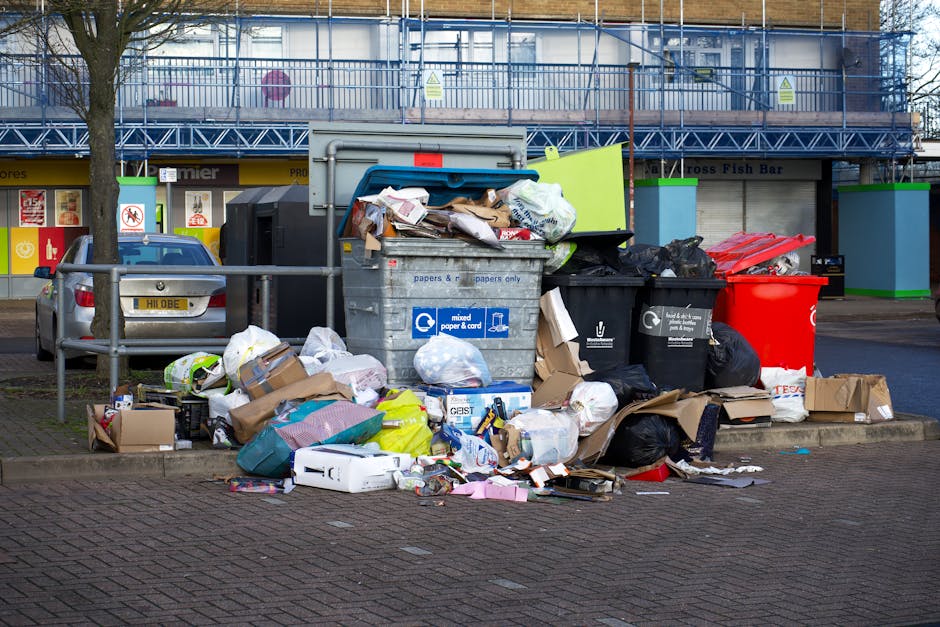
- Leaving waste beside communal bins. If it is not accepted there, it can be treated as fly-tipping or an unauthorised dump, depending on the circumstances.
- Mixing specialist waste with general rubbish. Batteries, paint, electricals, and sharp items need separate handling.
- Assuming everything can be collected for free. Sometimes it can't, especially for bulky or awkward materials.
- Forgetting to book in advance. Many problems begin when people wait until the last possible day.
- Ignoring access constraints. Narrow stairs, no lift, or poor parking can affect what can realistically be removed.
- Overpacking bags or boxes. That leads to torn sacks, spilled waste, and sore shoulders. Not ideal.
One subtle mistake is treating waste disposal like a side task instead of part of the move plan. In reality, it affects packing, timing, labour, and even the condition in which you hand back a property. If you've ever tried to move a mattress down a cramped landing while also carrying bin bags, you already know this. For bed and mattress handling, how to move a bed and mattress safely is useful background.
Tools, Resources and Recommendations
You do not need a warehouse full of kit, but a few practical tools make disposal much smoother.
| Tool or resource | What it helps with | Best used for |
|---|---|---|
| Strong bin bags | Containing loose waste and small broken items | General household rubbish |
| Flattening knife or box cutter | Breaking down cardboard safely | Packing and recycling prep |
| Marker pens and labels | Sorting items by room or disposal type | Moves, clear-outs, office waste |
| Protective gloves | Reducing cuts and grime during handling | Sharp, dusty, or awkward items |
| Trolley or sack barrow | Moving heavier bags or boxed waste | Bulky loads, longer distances |
For larger clearances, a proper removal plan often sits alongside waste disposal. If you're unsure how much you can handle yourself, it may help to review the service overview and see which parts of the job should be moved, stored, or disposed of separately. For bulky items in particular, bulky waste pickup advice is a good companion read.
For moving support, especially if disposal and transport are happening at the same time, people often look at man and van support or broader removal services. That is not about outsourcing responsibility; it is about avoiding a long, exhausting weekend that leaves you staring at the last three bags like they're a personal insult.
Law, Compliance, Standards, or Best Practice
Waste disposal in the UK is not just a courtesy issue. There are legal duties around keeping waste contained, using appropriate disposal routes, and not passing your waste to someone who is not properly handling it. The exact rules that affect a household can depend on the type of waste, where it is placed, and how it is collected, so caution is sensible here.
In plain terms, a few best-practice principles apply almost everywhere:
- Use approved disposal routes. Do not dump waste in shared spaces, alleyways, or beside bins unless it is clearly accepted there.
- Keep recyclable items separate where practical. Cleaner sorting improves recycling outcomes and reduces contamination.
- Handle hazardous items carefully. Paint, chemicals, batteries, and some electrical items need extra attention.
- Be honest about ownership. If it came from your property, it is your responsibility to dispose of it appropriately until handed over through a proper route.
- Use licensed help when necessary. If you are paying someone to remove waste, check they are suitable for the job and clear about what they will take.
For moving and waste jobs, compliance and safety tend to overlap. Heavy items, poor access, and rushed lifting can create injury risk just as quickly as they create clutter. That is why our health and safety policy and insurance and safety guidance are sensible references when planning a more physical move.
Best practice, honestly, is boring in the nicest possible way: separate early, label clearly, book properly, and do not leave a surprise pile in the hallway. It is not glamorous, but it works.
Options, Methods, or Comparison Table
Different disposal methods suit different situations. The "best" choice depends on volume, item type, time available, access, and whether you are trying to cut costs or save effort.
| Method | Best for | Pros | Trade-offs |
|---|---|---|---|
| Standard bin and recycling collections | Everyday household waste and sorted recyclables | Convenient and routine | Limited capacity; strict sorting matters |
| Bulky waste collection | Furniture, mattresses, larger household items | Designed for awkward loads | Usually needs planning and may involve fees or booking rules |
| Reuse or donation | Items in decent condition | Reduces waste and keeps goods in use | Not everything is suitable; transport may still be needed |
| Self-managed transport | Mixed household clear-outs with a vehicle and time | Flexible | Requires lifting, sorting, and disposal know-how |
| Removal support with waste coordination | Moves, flat clears, office clear-outs, mixed loads | Saves time and reduces physical strain | Costs more than doing everything yourself |
For many CR0 residents, the sweet spot is a hybrid approach: donate usable items, dispose of broken waste correctly, and use removal help for the awkward stuff. If you are juggling a full flat clear-out, flat removals support can sit nicely alongside disposal planning.
Case Study or Real-World Example
Here's a realistic example. A tenant in CR0 is moving out of a two-bedroom flat after four years. The place looks mostly empty, but the last week reveals the usual odd mix: a broken bedside table, two bags of books, flattened boxes, an old microwave, a sofa that has seen better days, and a drawer full of random cables.
At first, the tenant thinks it can all be dealt with the night before move-out. That sounds optimistic. It always does until you're standing in the corridor at 9:30pm with cardboard dust on your socks and nowhere to put the microwave.
A better approach looks like this:
- Usable books and small household items are separated for donation.
- Cardboard is flattened early and kept dry.
- The broken bedside table is dismantled safely and prepared for disposal.
- The microwave is set aside as an electrical item, not mixed into general rubbish.
- The sofa is assessed for transport or bulky disposal, rather than shoved into the hallway as a last-minute problem.
The result is simpler move-out day, less stress, and no panic about what goes where. If the sofa had to be transported or stored, the tenant could also have looked at storage options or furniture removals help. That kind of planning sounds small, but it is the difference between a controlled move and a chaotic one.
For tricky access days, especially around tight streets or transport links, local route awareness can matter too. If that sounds familiar, the narrow-street guide around the tram stop offers a useful local perspective.
Practical Checklist
Use this checklist before any disposal day in CR0. It is simple on purpose.
- Identify what must be kept, donated, recycled, or thrown away
- Separate hazardous or specialist items from ordinary waste
- Flatten cardboard and bundle recyclables neatly
- Check communal bin rules if you live in a flat or shared property
- Book bulky waste or disposal support in advance if needed
- Keep walkways, stairwells, and exits clear
- Do not place waste out early unless the collection guidance allows it
- Use gloves and sensible lifting technique for heavy or sharp items
- Confirm whether furniture can be reused, stored, or transported instead
- Do a final sweep of cupboards, balconies, sheds, and under-bed spaces
If you are moving fast and need help on a tight schedule, a same-day option may be the practical answer. In that case, same-day removals can support last-minute clear-outs, while this urgent availability guide helps you think through timing. One small warning though: urgency and waste sorting are not natural friends.
Conclusion
Waste disposal in CR0 is mostly about good habits, not heroic effort. Separate your items early, treat bulky waste properly, avoid mixing waste types, and plan around access and timing. That simple discipline keeps you on the right side of local expectations and makes moving day feel much more manageable.
Whether you are clearing a flat, preparing a house move, or just trying to get back on top of clutter, the same idea applies: sort first, move second, dispose carefully throughout. Do that, and the whole job becomes calmer. Not perfect. Just calmer. And honestly, calmer is usually enough.
If you're comparing disposal, removals, or mixed clear-out support in Croydon and nearby areas, it helps to review services and timing before the pressure builds. A sensible plan now can spare you a very long evening later.
Get a free quote today and see how much you can save.