Removals Around Woodside Tram Stop: Narrow-Street Guide
Posted on 26/05/2026
If you are planning a move near Woodside Tram Stop, you already know the tricky part is rarely the sofa or the boxes. It is the street. Narrow roads, parked cars, awkward turning space, and the simple fact that one badly placed van can slow everything down. Removals Around Woodside Tram Stop: Narrow-Street Guide is here to make that local reality easier to manage, whether you are moving a studio flat, a family home, or just a few heavy pieces that somehow always feel heavier on moving day.
Truth be told, the best local moves are usually the ones that look boring from the outside. Clear plan, right vehicle, sensible timing, and no surprises. This guide walks through what matters most around tight-access streets, how to prepare, what to avoid, and when a professional removals team can save you a lot of stress. If you need a broader service overview while reading, take a look at our removal services overview or the dedicated removals in Woodside page for a quick sense of what is available locally.
Why Removals Around Woodside Tram Stop: Narrow-Street Guide Matters
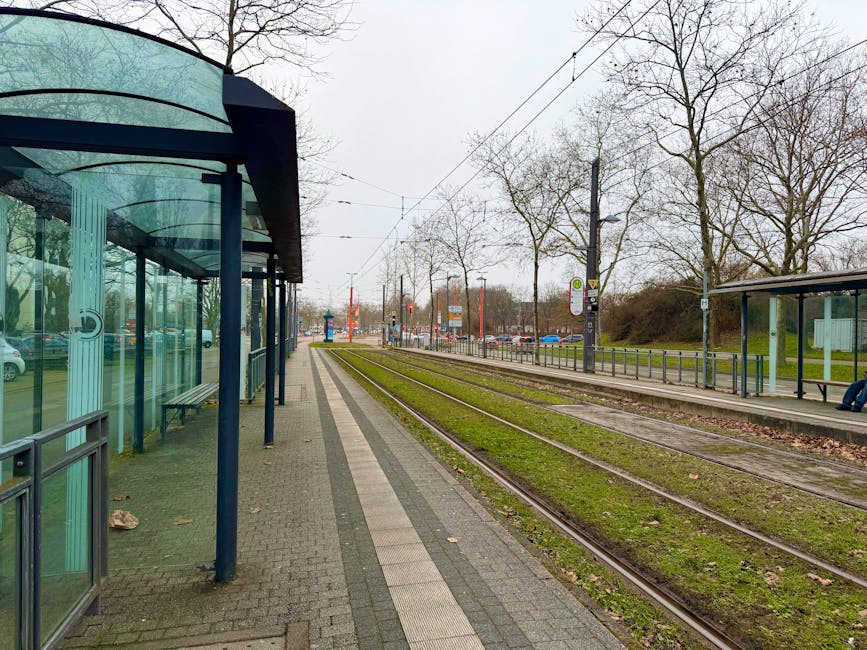
Moving around a tram stop sounds straightforward until you stand outside with a loaded trolley and realise the road is tighter than you expected. Around tram corridors, access issues tend to stack up quickly: parked cars, crossing pedestrians, delivery traffic, and limited space for a van to wait without becoming everybody's problem. That is why a narrow-street moving plan matters so much here.
For many local moves, the biggest risk is not damage to furniture. It is delay. A delayed arrival can create a ripple effect: lifting gets rushed, neighbours get irritated, and the whole day starts to feel like it is running away from you. That is especially frustrating if you are moving from a flat, a maisonette, or a property with shared access. If that sounds familiar, our flat removals in Woodside page may be useful, because tight hallways and stairwells often go hand in hand with narrow roads.
There is also the local rhythm of the area to consider. Tram stops naturally create stop-start movement on the street. People step out, vans pause, cyclists squeeze through, and somehow everyone is in the same place at the same time. A removals plan that ignores that reality is asking for a headache. A good one respects it.
Key point: around Woodside Tram Stop, success usually comes from planning access before the first box leaves the house, not after the van has already arrived.
How Removals Around Woodside Tram Stop: Narrow-Street Guide Works
A narrow-street removal works best when the move is broken into small decisions. Where will the vehicle stop? How long can it stay there? Which items go first? Can the team safely carry furniture without blocking the footway? These questions sound basic, but they determine whether the day feels smooth or messy.
In practice, the process usually looks like this:
- Access assessment: You check road width, parking options, turning space, and any restrictions near the property.
- Load planning: Large items are identified first so they can be brought out in an efficient order.
- Vehicle selection: The right van size matters. Bigger is not always better if the street is tight.
- Timing: Off-peak collection windows can reduce pressure from traffic and pedestrians.
- Protection and lifting: Furniture, doors, banisters, and floors are protected before any heavy item moves.
- Final sweep: The property is checked so nothing is left behind in cupboards, sheds, or on window ledges. Yes, that happens more than people think.
For the packing side of the job, many people underestimate how much the right supplies affect a narrow-street move. Good cartons, tape, wrapping, and labelling cut down on wasted trips. Our packing and boxes service can help when you want the basics handled properly, and this practical packing essentials guide is a useful read if you are trying to stay organised without turning your home into a cardboard maze.
One small but important detail: on narrow roads, loading order matters more than many people realise. Put the first items off the van as the last items on it. Sounds simple. Saves time. Saves grumbling too.
Key Benefits and Practical Advantages
There are several reasons people choose a structured removal approach near the tram stop rather than improvising on the day. Some are obvious, others less so.
- Less street disruption: A planned move reduces the chance of blocking traffic or causing awkward stand-offs with other road users.
- Safer lifting: Tighter access often means more carries, more turns, and more risk. A prepared plan lowers that risk.
- Better use of time: When the route from front door to van is mapped out, the team wastes less energy and fewer steps.
- Lower chance of damage: Furniture is less likely to clip walls, railings, or neighbouring vehicles when movement is choreographed properly.
- More accurate cost planning: The clearer the access, the easier it is to estimate time and vehicle needs. That helps you compare options properly.
There is a comfort factor too. Moving is noisy, sweaty, a bit chaotic. You hear tape ripping, see dust in the afternoon light, and every minute seems to carry its own tiny decision. A controlled removal takes some of the emotional charge out of the day. That matters more than people admit.
If you are trying to keep costs and service quality in balance, our man and van in Woodside and man with a van Woodside options are worth comparing, especially for smaller moves where flexibility is more useful than a very large vehicle.
Who This Is For and When It Makes Sense
This guide is for anyone moving in or out of a property where access is tighter than average. That might mean a first-floor flat, a converted house, a rental with limited parking, or a home close to the tram stop where traffic patterns change through the day.
It especially makes sense if you are:
- moving on a street where van parking is limited;
- handling bulky furniture through narrow doors or staircases;
- moving student accommodation or a small flat;
- trying to avoid long loading delays during a busy weekday;
- unsure whether your move needs a removal van or a smaller load.
Students often need a quick, simple solution with less clutter and fewer items. If that is you, the student removals Woodside service can make a small move much less frantic, especially at term changeover when the roads feel busier and everyone seems to be carrying a lamp at once.
Households with larger furniture face a different challenge. A sofa might fit through the front door on paper, but the angle at the bottom of the stairs says otherwise. That is where furniture removals in Woodside become particularly relevant. Not glamorous. Very useful.
Step-by-Step Guidance
Here is a practical way to approach removals around a narrow street near Woodside Tram Stop without making the day harder than it needs to be.
1) Walk the route before moving day
Check the path from the front door to the street. Look for tight corners, steps, uneven paving, overhanging branches, low walls, or anything that would make carrying awkward. If possible, do this with the largest item in mind, not the smallest box.
2) Choose a realistic collection time
Late morning often works better than the school-run rush or the busiest commuting window. If your building shares access, avoid times when neighbours are most likely to be coming and going. A little timing choice can save a lot of awkwardness.
3) Sort and reduce before you move
Do not pack everything automatically. It is very easy to move three boxes of things you forgot existed. Decluttering first helps keep the load lighter and the van space smarter. If you need a practical prompt, read how to declutter wisely before a move.
4) Group items by carry difficulty
Put heavy items, fragile items, and awkward shapes into separate categories. Mattresses, mirrors, televisions, dining chairs, and boxed books all behave differently in a narrow corridor. For a bed or mattress, this guide on moving your bed and mattress safely is a helpful companion piece.
5) Reserve space close to the property where possible
If lawful and practical, secure a loading spot as near as possible to the entrance. The difference between 10 metres and 40 metres can be huge when you are carrying wardrobes or white goods in and out. This is where local route knowledge matters, and our Woodside Green route tips article gives a good sense of how small route choices can affect the whole day.
6) Protect the building and the furniture
Use blankets, wrap, corner protection, and floor covers where needed. Narrow access means you are moving closer to walls, not farther away from them. That increases the chance of scratches unless you plan for it.
7) Load in the right order
Put the most awkward item shapes in first, then stack around them. Keep the essentials easy to reach. If you need same-day access to a kettle, chargers, toiletries, or documents, keep those separate and clearly marked. For a few people, that alone can rescue the first evening in a new place.
8) Do a final sweep before departure
Check cupboards, lofts, sheds, and behind doors. The forgetfulness phase of moving is real. Everyone has one moment of staring at a room and thinking, "I know I put something important here..."
Expert Tips for Better Results
Small refinements make a big difference around tight streets. Here are the things that tend to matter most in real moves.
- Measure the widest items early: Not just the furniture itself, but also the turning points inside the home.
- Use colour labels: Bright labels help when boxes are stacked three high and nobody wants to play guessing games.
- Keep a corridor clear: Even a short stretch of clear floor space can prevent bottlenecks.
- Plan a weather backup: Rain changes everything. Damp boxes, slippery steps, and wet door mats are a small nuisance that become a bigger one fast.
- Handle bulky items with proper technique: If you are lifting on your own, read this guide to handling heavy objects safely first.
- Use lifting methods that reduce strain: A sensible body position matters. Our piece on kinetic lifting explains the idea in plain English.
Here is one small field-tested tip: if the street is tight, have one person act as the "front checker" while the others carry. That person watches for passers-by, bins, mirror corners, and the back end of the van. It sounds simple. It is. Also, it works.
And if your move includes a piano, do not try to improvise. A piano is not just heavy; it is awkward, unforgiving, and awkward in a different way than a sofa. The risks are worth understanding, so it is wise to read why piano moves are so difficult and, if needed, choose a specialist service like piano removals in Woodside.
Common Mistakes to Avoid
Most moving-day problems are predictable. That is the annoying part, to be fair. The good news is that predictable problems can be avoided.
- Booking the wrong-sized vehicle: A van that is too large can be harder to position on a narrow road than one that fits the site properly.
- Assuming parking will just work out: It often does not. Have a backup idea.
- Underestimating carrying distance: A short street can still mean a long carry if access is blocked.
- Packing fragile items loosely: Loose packing turns into movement inside the box, then into breakage. Not ideal.
- Leaving decluttering until the last night: That usually ends in panic, questionable bin bags, and a very late cup of tea.
- Ignoring shared access rules: In flats or converted properties, neighbours and managing agents may have expectations about loading times and hallway use.
Another overlooked mistake is assuming every job needs the same approach. A student move, a family relocation, and an office transfer all behave differently. If your move has laptops, files, or shared work equipment, it may need a more careful plan like the one used in office removals in Woodside.
Tools, Resources and Recommendations
A narrow-street move becomes much easier with the right tools. You do not need everything under the sun, just the right pieces in the right places.
| Tool or Resource | Why It Helps | Best Use |
|---|---|---|
| Removal blankets and wraps | Protect furniture from knocks and scratches | Sofas, tables, headboards, appliances |
| Trolleys and dollies | Reduce carrying strain and speed up transport | Heavy boxes, white goods, bulky items |
| Strong tape and labels | Keep boxes secure and easy to identify | Every room, especially mixed-purpose loads |
| Floor and door protection | Prevents marks in tight hallways and entrances | Flats, stairwells, painted skirting boards |
| Storage option | Useful when access, dates, or renovation timing do not line up | Staged moves, short delays, decluttered overflow |
If you are not sure what size support you need, it can help to compare a few service types. For example, removal companies in Woodside may suit a full-house move, while a removal van in Woodside can be a better fit for tighter spaces and smaller volumes.
Storage is also worth thinking about earlier than people do. A short gap between moving out and moving in, or a delay with keys, can turn an organised plan into a scramble. If that sounds possible, see storage in Woodside before the pressure starts.
Law, Compliance, Standards, or Best Practice
For most domestic removals, there is no dramatic legal maze to solve, but there are still sensible standards and responsibilities to keep in mind. In the UK, good practice means moving safely, not blocking the public highway unnecessarily, and respecting local parking and access expectations. Where parking restrictions apply, you should check them in advance rather than assume a van can simply stop wherever it suits.
Health and safety also matter. Lifting techniques, clear walkways, and proper load handling are basic but essential. If a move involves awkward or heavy goods, it is wise to use a team with a clear safety approach. You can review the company's own standards through its health and safety policy and insurance and safety information.
There is also a practical trust angle. If you are booking a service online, you may want to understand how quotes are handled, what payment protections exist, and what the terms cover. Those details are best read directly rather than guessed. The relevant pages here are the pricing and quotes page, payment and security information, and the terms and conditions.
For readers who prefer a company background before booking, the about us page can help, and if sustainability matters to you, the recycling and sustainability statement is a useful read. Small things, perhaps. But they say a lot.
Options, Methods, or Comparison Table
Different moves around the tram stop call for different levels of support. The best choice depends on how much you are moving, how tight access is, and how much time you want to spend doing the heavy lifting yourself.
| Option | Best For | Strengths | Watch Outs |
|---|---|---|---|
| Man and van | Small to medium loads, flexible timing | Quick, adaptable, often ideal for narrow streets | May not suit very large household moves |
| Full removals team | Large homes, multiple rooms, heavy furniture | More hands, more speed, more control | Can be more than you need for a lighter move |
| Self-move with rented van | Budget-conscious moves with few items | Lower direct cost, full control | More stress, more lifting, higher risk if access is tight |
| Storage-plus-removal | Delayed completion dates or staged moves | Extra flexibility, less pressure on moving day | Requires planning and sometimes additional coordination |
In a narrow-street area, the most practical choice is often the one that reduces unnecessary vehicle movement. A smaller, well-planned service can beat a bigger one that struggles to park. Funny how that works, but it really does.
Case Study or Real-World Example
Here is a realistic example based on the kind of move people often make around Woodside Tram Stop.
A couple moving from a first-floor flat had a sofa, a bed frame, three book boxes, a washing machine, and the usual collection of kitchen bits that multiply when nobody is looking. The street outside was narrow, with parked cars on one side and a constant trickle of tram users passing by. On paper, it looked manageable. In practice, it needed a little thought.
They did three things right. First, they decluttered early, so they were not moving old cables, spare lamps, or random "just in case" items. Second, they separated bulky furniture from everything else. Third, they arranged the vehicle timing so the loading area was used efficiently. One person stayed by the entrance to keep the route clear while the others carried. Nothing dramatic. Just disciplined.
The move still had the normal noises: mattress dragging noises, box tape snapping, the occasional thump of a chair leg being turned the wrong way. But it stayed calm. The flat was cleared without damage, and the street was not blocked for long. That is the real win in this kind of move. Not perfection. Just control.
If your move includes a heavy sofa or you need a place to store it for a short time, the dedicated guide on sofa storage and protection is worth a look before you start wrapping everything in sight.
Practical Checklist
Use this checklist a few days before moving day. It keeps the practical stuff from slipping through the cracks.
- Measure the widest furniture and the narrowest access point.
- Check parking, loading restrictions, and likely traffic timing.
- Confirm whether a small van or larger removal vehicle is more suitable.
- Label boxes by room and priority.
- Set aside valuables, documents, chargers, and medicines to move separately.
- Protect floors, doors, bannisters, and corners where movement will be tight.
- Declutter before packing so you are not paying to move unwanted items.
- Arrange help for heavy lifting rather than trying to be a hero. Not worth it.
- Keep a simple bag for first-night essentials.
- Review service details, safety information, and quote terms before confirming.
- Check whether storage might be needed if completion dates do not line up.
For a calmer lead-up to the day itself, you may also find the article on making your house move feel calmer surprisingly grounding. Sometimes the best moving advice is simply to slow down a bit.
Get a free quote today and see how much you can save.
Conclusion
Moving near Woodside Tram Stop does not have to be chaotic. Narrow streets are a challenge, yes, but they are a predictable one. Once you think through access, timing, vehicle choice, packing, and lifting order, the whole process becomes much more manageable. That is really the heart of this guide.
Whether you are planning a small flat move, a full household relocation, or a single-item job with a heavy sofa or piano, the same principle applies: respect the street, plan the route, and keep the load under control. Do that, and the move feels less like a scramble and more like a proper transition. Not easy, exactly. Just handled well.
If you want help putting that plan into action, start with the service that matches your load, your street, and your timing. Then build from there. A little structure goes a long way, and honestly, it can save your whole day.